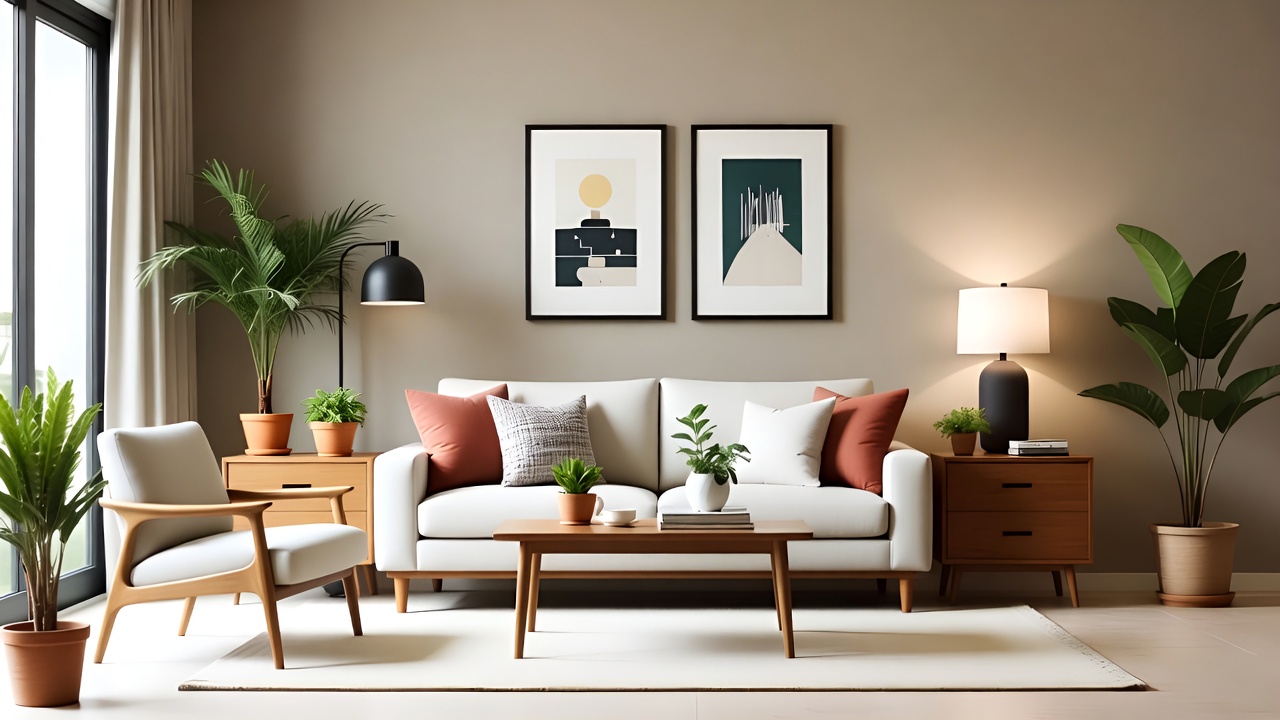
Ah, Singapore…after a long day at the office and that squeeze on the MRT, isn't it just shiok to come home? But what if "home" doesn't feel so shiok? What if it feels more like…another source of stress? I've heard so many friends in the group chat complain about the same thing: cramped spaces, furniture that's seen better days, and a general feeling of sian when they walk through the door.
But, steady lah! It doesn't have to be like that. That's where residential interior design comes in – it's not just about making things look pretty (although that's a bonus!). Interior design is the art and science of planning and designing interior environments to enhance functionality, aesthetics, health, safety, and the overall human experience within a space. It's about creating a space that truly reflects you and your family, a haven where you can recharge and reconnect. And in Singapore, where space is precious, clever planning is key.
Multi-generational living is becoming more and more common in Singapore. It's practical, it's often more affordable, and it can bring families closer together. But it also means navigating different needs and preferences under one roof. So, how do you create a space that works for everyone, from ah ma to the grandkids? Let's explore some ideas, can?
First things first: kena understand each other lor. Before you even start thinking about knocking down walls or choosing paint colours, sit down with your family and have an honest chat. What are everyone's needs and lifestyles? Does ah ma need a quiet space for her afternoon naps? Do the kids need a dedicated study area? Does anyone have mobility issues that need to be considered?
Think about daily routines and how everyone uses the space. Who cooks? Who watches TV? Who needs the most privacy? These conversations might feel a bit kancheong at first, but they're crucial for creating a space that truly works for everyone.
Okay, now that you've got a good understanding of everyone's needs, it's time to think about zoning. Zoning is all about dividing your home into different areas based on function. For example, you might have a "social zone" for the living room and dining area, a "quiet zone" for bedrooms and studies, and a "functional zone" for the kitchen and laundry.
The key here is to create clear boundaries between these zones to ensure everyone has their own space and privacy. This doesn't necessarily mean building walls, lah. You can use furniture, screens, or even just different flooring materials to define different areas.
For example, a strategically placed bookshelf can create a visual barrier between the living room and a study area. Or, a different rug can delineate the dining area from the living room. Small changes, big difference, right?
And speaking of privacy, don't forget about soundproofing! Especially if you have young kids or family members who work from home, soundproofing can be a lifesaver. Consider adding thicker curtains, rugs, or even acoustic panels to dampen noise.
In Singapore, our homes are often, ahem, cozy. So, it's important to make the most of every square foot. After a long day being crammed in the MRT and surviving meetings, most Singaporeans just want to return home to a space that feels cosy and stress-free instead of adding to the stress. A cluttered living room or an unrestful bedroom can make unwinding even more difficult, especially when the whole family hope to relax together. That’s where thoughtful Singapore interior design really makes a difference—it turns everyday rooms like your hall, sleeping space, or kitchen area into personal havens that actually help you unwind. With the right couch, sleep surface, or smart layout, suddenly getting home feels damn shiok, and thoughtful tweaks can bring huge benefits to your well-being and family moments. Platforms like Wondrous La Vie make it easier to explore options and match with interior designers who get the local HDB/condo style spot on. This format lets you easily generate multiple SEO-optimised variations while keeping the core keyword "interior design" stable in the middle for strong on-page targeting.. That's where flexible and adaptable spaces come in. Think about furniture that can serve multiple purposes. A sofa bed can be a cozy spot to relax during the day and a comfortable bed for guests at night. A dining table with extendable leaves can accommodate extra guests for family gatherings.
Modular furniture is also a great option. You can rearrange it to suit your needs, whether you're hosting a party or just want to change things up a bit. And don't forget about storage! In Singapore’s tight condo apartments and condos, the bedroom often acts as a rest zone and more—somewhere to truly rest after hectic work shifts, do some light reading, or even set up a temporary WFH corner when needed. It’s very typical for homeowners to feel stuck with layouts that seem too tight, overly bright illumination, or storage that eats into valuable floor space, making the room feel more utilitarian than serene. That’s where thoughtful bedroom interior design truly excels—it focuses on intelligent layout optimisation, soothing neutral tones, space-saving furniture, and clever lighting to create a tranquil sanctuary that maximises comfort while keeping everything tidy and airy. All at once your sleep space evolves into the place you look forward to at the after a long day, helping you unwind faster, sleep deeper, and start mornings feeling revitalised for tomorrow’s challenges. Platforms like Wondrous La Vie offer plenty of authentic project showcases and seamless introductions to designers who specialise in these practical yet beautiful Singapore-style bedroom makeovers.. Clever storage solutions can help you keep clutter at bay and make your home feel more spacious. Think about built-in shelves, hidden compartments, and multi-functional furniture with storage underneath.
Fun fact: A cosy, well-designed living room or bedroom can actually help you sleep better and feel less stressed after long workdays - small changes, big shiok difference!
When designing a multi-generational home, it's important to consider accessibility for everyone, regardless of age or mobility. This is where universal design principles come in. Universal design is all about creating spaces that are usable by everyone, to the greatest extent possible, without the need for adaptation or specialized design.
For example, you might want to consider installing grab bars in the bathrooms, widening doorways to accommodate wheelchairs, and using lever-style door handles instead of knobs. You can also choose flooring materials that are slip-resistant and easy to clean.
Remember, these changes aren't just for seniors or people with disabilities. They can make your home more comfortable and convenient for everyone, regardless of their abilities.
While it's important to have your own space, it's also important to have communal spaces where the family can come together and bond. The living room, dining area, and kitchen are all great candidates for communal spaces.
Think about creating a cozy and inviting atmosphere in these areas. Comfortable seating, warm lighting, and personal touches like family photos can make these spaces feel more welcoming.
And don't forget about technology! A large-screen TV, a good sound system, and a fast internet connection can make these spaces even more enjoyable for everyone.
One homeowner shared how connecting with the right designer via the platform turned their cramped HDB living room into a cosy family hangout-suddenly weekends feel so much better. It's really steady, right?
Speaking of technology, there are so many ways to integrate it into your home to make life easier and safer for everyone. Smart home devices can automate tasks like lighting, temperature control, and security.
For example, you can install smart lights that turn on automatically when someone enters a room, or a smart thermostat that adjusts the temperature based on the time of day. You can also install security cameras and smart locks to keep your home safe and secure.
For seniors, technology can be especially helpful. There are devices that can monitor their health, remind them to take their medication, and even call for help in case of an emergency.
Don't underestimate the power of colour, lighting, and acoustics! These elements can have a huge impact on the mood and atmosphere of your home. Choose colours that are calming and relaxing, especially in bedrooms and quiet zones. Warm colours like beige, cream, and light grey are always a good choice.
Lighting is also crucial. Use a combination of natural and artificial light to create a comfortable and inviting atmosphere. Dimmable lights are a great option because you can adjust the brightness to suit your needs.
And don't forget about acoustics! Noise can be a major source of stress, so it's important to create a space that is relatively quiet and peaceful. Consider adding sound-absorbing materials like curtains, rugs, and acoustic panels to dampen noise.
It's really sian when your bedroom feels cluttered and your mattress is giving you backache after work, but with the right interior design ideas and comfy pieces, that sense of calm comes back stronger.
Finally, don't forget to add personal touches to your home! This is what will make it feel truly like your space. Display family photos, artwork, and other items that are meaningful to you.
These personal touches will not only make your home feel more welcoming, but they will also spark conversations and create a sense of connection between family members.
Picture this: you open the door after work and your shoulders just drop-sounds like heaven? It confirm can!
Wondrous La Vie, Singapore's go-to platform for connecting you to top interior designers and curated furniture/brands, understands the importance of creating a home that reflects your unique personality and needs. With their beta launch in March 2024, they're making it easier than ever to find the perfect designer and furniture to create your dream home.
Why not pop over to wondrouslavie.com, take the quick quiz, browse sofas/mattresses, or connect with a designer and see what feels right for your space? Steady pom pi pi, right?
Achieving speech privacy in meeting rooms: Key design considerations (how_to)Space planning: How to choose the right furniture scale for your space